The sea landing on Antarctica this morning would be easy. I could tell because my bed rocked with only the subtle irregular movement of calm seas. And Tessa’s melodious, “Good morning ladies and gentlemen…” from the speakers of the television above my bunk woke me as usual. Her voice came early this morning, as it often did when the morning weather was good but threatened more wind and more waves later in the day.
The fact that I was home in my bed in Chicago didn’t seem to blunt the experience. I’d gone through this so many times over the last 3 ½ weeks it was all deeply familiar.
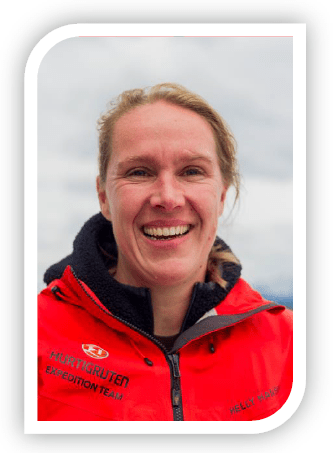
Tessa always told us where we were by the location name, latitude and longitude, temperature, wind speed, barometric pressure and future weather predictions, and what we might encounter good and bad on shore. (And even if there might be cookies, more about that later.) She was the Expedition leader, from the Netherlands, with easy command of English and German, and was maybe as old as thirty years. Hard to tell. She paid attention to everything and everyone and never minced words. I’d hire her to run anything.
The evening before landings she would brief us on what to expect the next day. Always these plans were followed by: “…if the weather allows.” Or, “…depending on the conditions on shore.” The expedition team was always the first to land. They would evaluate the sea crossing, the landing site, maybe choosing an alternative site, and the situation on land with the animals etc.
The only landing we didn’t make was Neco Harbour, Antarctica mainland. And that didn’t so much matter as we landed at an alternative site, just as interesting. Neco Harbour was cancelled because a number of dead penguins had been found and the reason for that was unclear. They did not want us picking up what might be a disease of some kind and spreading it to other colonies on future landings. Even though we had been loaned well-fitting rubber boots that gripped even slippery rocks, boots we scrubbed in a contraption on entering the ship.
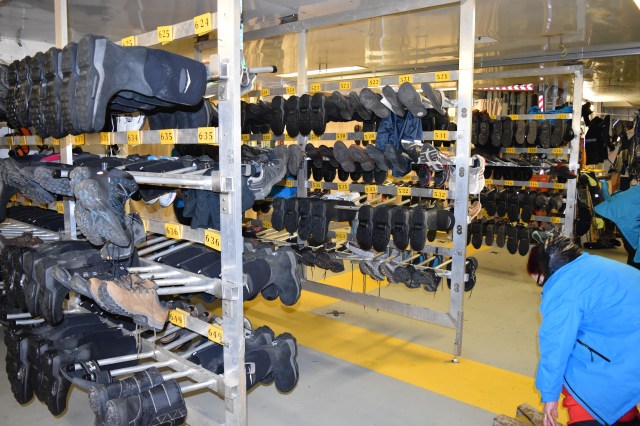
Then we had to walk through a giant sponge soaked in disinfectant.
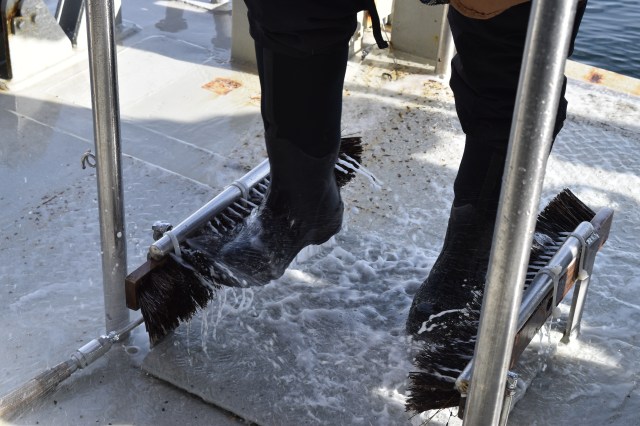
And occasionally one of us would be singled out for special hosing down of our dirty boots or dirty waterproof pants (usually a thin water and wind proof shell worn outside warm pants) that we were all required to wear. If you knelt down, or as our photographers sometimes did, or lay flat on your belly in penguin poop to get a good shot, you’d get hosed.

But about Tessa. One time I wasn’t sure I would get enough time to explore Port Stanley, the capital of the Falklands if I went on the sheep farm tour. She told me I’d be back by such-and-such time and might have two hours with stores and museum open, and if that wasn’t enough for me, I’d have to make that decision on my own. “You have to decide what’s your priority and that’s it.”
Sometimes the landings might be a bit rough, either the beach might be steep with round sliding rocks or the landing itself might be into a sea swelling with waves a step or two before dry beach, or the waves might toss the nine passenger boat around a bit as we stepped out onto the landing spot.


Or, the sea between the ship and the beach might be choppy and the landing boat might slap (and I mean… popping smacking pounding slaps…) the waves too much as it sped towards the beach, and Tessa would warn: “Be aware, ladies and gentlemen, if you have problems with your back or your hips this landing may be too rough for you. You will have to determine that for yourself.” Don’t come to her to complain if you felt slapped to a pulp and needed a chiropractor on a landing she’d warned you about. Or if you chose to walk the 4 kilometers (2.5 miles) each way across scree (lots of loose rocks on a sloping hill) to see the baby albatrosses, and when you returned to the ship couldn’t manage the walk to dinner.
I do need to add that the PolarCircle boats were designed beautifully. They were easy to enter from the ship either from their front or from the side, and they were as easy to exit as could be managed. The hand holds and supports of the boat made transit very manageable. In calm water it was like walking two steps. In seas, we needed the assistance of one or sometimes two expedition members who grabbed us by the arm and steadied us until we stood on terra firma. I never felt anxious or unsteady.
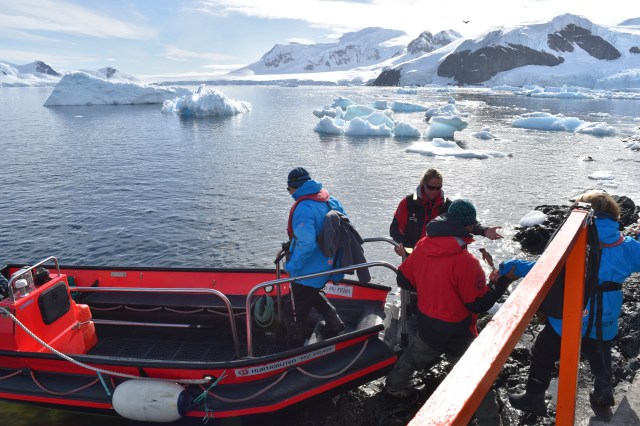
The Expedition team members were our guides, teachers, and eventually, friends. They lectured us once or three times a day on everything or anything relevant to our journey. They had an incredibly varied experience, ages (20-60) and nationalities (Norwegian, German, Australian, Chinese, Argentinian, and more).
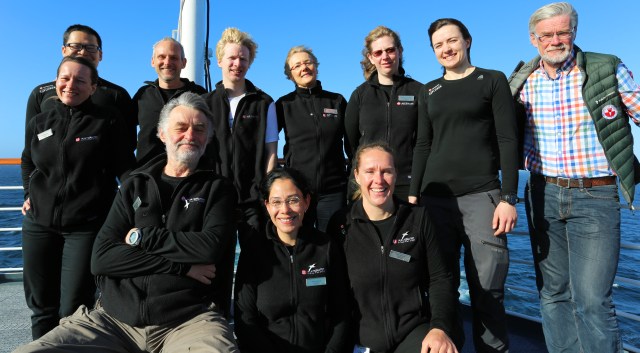
They were always available on the ship for conversations and questions. And on excursions they either walked along with people hiking or they had posts along the way both for our safety and for questions, and for the safety of the animals and preservation of the environment. They are all certified by IAATO (International Association of Antarctic Tour Operators), and as tourists we also were instructed in the rules we needed to comply with to visit Antarctica. http://iaato.org/visitor-guidelines
Anyways, this morning I still awoke with what Erasmus Darwin, Charles Darwin’s grandfather, described in 1796 as ‘Mal de debarquement’ or sickness of Disembarkation. The only serious symptom seems to be nostalgic longing for my former days at sea, and for the wonderful expedition team who stayed at our side and guided us through the ‘experience of a lifetime’.
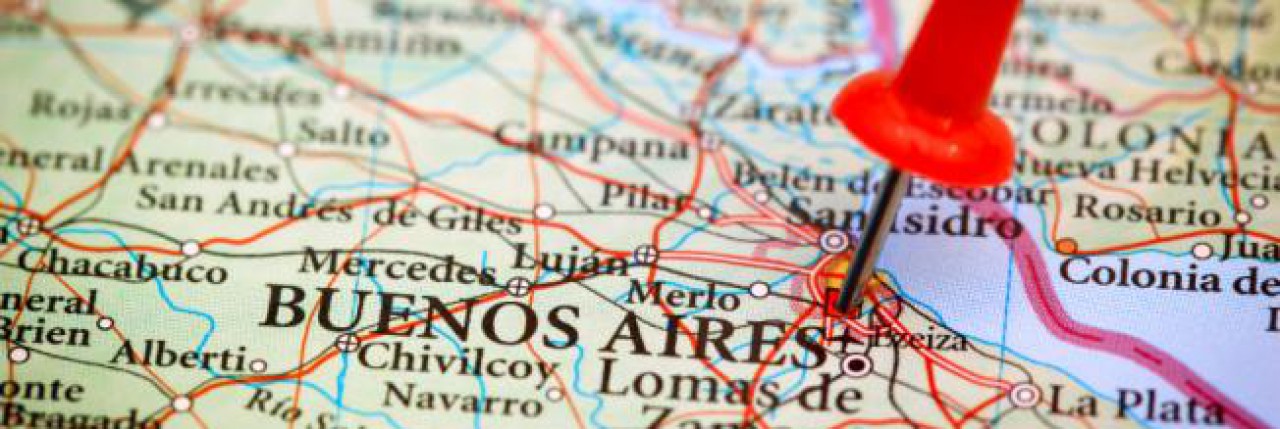
The last time I saw them was the morning we all left the ship. About 9 am the big doors on the side of the ship on Deck 3 opened and we walked out onto the pier in Buenos Aires like walking out through the door of a downtown building. At the door stood one of the expedition team to say goodbye. I didn’t think much about it.
Just outside the ship we entered the bus as it would take us on the two minute ride to the terminal building were our suitcases and customs waited. Two others from the expedition team handed us up the easy step onto the buses and said their goodbyes. It was unnecessary, but nice.
When we arrived at the terminal and exited the bus there was a holdup, and as we slowly stepped off the bus an expedition member shook each of our hands in farewell. It was such a nice friendly gesture.
Then walking inside the big warehouse of a terminal building and seeing all our 237 suitcases waiting, sitting on a low wall in a row like the snowy sheathbills sat along the edge of the roof at Port Lockeroy, all grinning and waving at us, were four more members of the expedition team. And then I finally understood. They had this all planned as a guided exit, a farewell in the same manner as any of our previous expeditions where they had stood along our route to guide us on the right path and keep us safe along the way.
As a writer I understood they were showing us the way, showing us out and back into our normal world, not with words but with their actions. By the time I stepped outside with my suitcase and looked for the taxi to the hotel, and met Tessa, our expedition leader, I had to fight to keep tears out of my eyes. They were paid to work as our guides, but they had become much more to us, they had become friends.
And I will miss them.
 icebergmuse.com